Vegie patch snapshot
2026-03-20T08:47:03+11:00
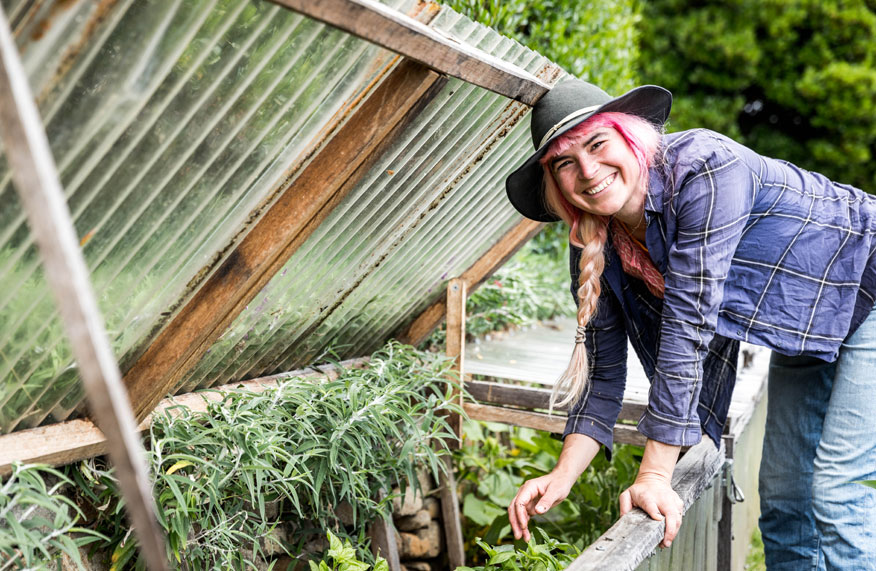
From Darwin to Devonport, April is changeover time in the vegie patch. Gardening Australia TV's Hannah Moloney takes a look at what’s happening around the land for edible growers this month.
Depending on where you live in this big and beautiful country, your growing experience in the edible garden will be different.

Cold temperate (and alpine)
Hello to most of Tasmania and the high country in Victoria and NSW! With average annual rainfall of more than 800mm, you get rain throughout the year, but more in winter and spring. Autumn maximums range from 20–25˚C and you have low to moderate humidity. At this time of year, you’re breathing in the crisp autumn air, which carries an edge of winter, and crunching into the best new-season apples in the world. It’s your last opportunity do some bulk vegie planting before the cold sets in.

Warm temperate
Perth, Adelaide, Melbourne and Sydney – and a lot of the regions linking them – all share broadly warm temperate climates, which are shaped by seasonal differences in temperature and rainfall. Depending on your area, you’ll be directly sowing a variety of seeds, or popping in seedlings.
Subtropical
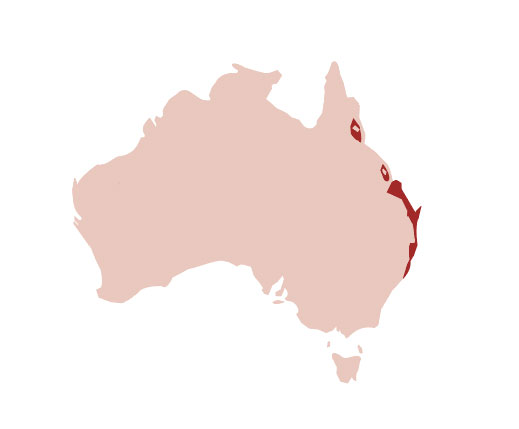
Australia’s subtropics are located mainly on the east coast – from northern NSW to Brisbane and Mackay in Queensland. Brisbane’s annual rainfall is 1080mm, which mostly comes in summer, and its average autumn maximum is 25.8˚C. Days are warm and sunny, and evenings cooler – it’s like the world is breathing a collective sigh of relief after a hot summer. Keep an eye out for Queensland fruit fly, which can linger into autumn if temperatures stay high, and will target tomatoes and capsicums

Tropical
April in the tropics is the month of transition – it’s saying goodbye to the wet season and hello to the start of the dry season. Most of your annual rainfall comes in summer and ranges from 500–1500mm in the dry tropics to 2000–4000mm in the wet tropics. Right now, the high humidity is decreasing and you’re enjoying warm, comfortable days. The average maximum autumn temperature is 32.4˚C, which isn’t much different to the summer and winter averages – so it’s basically hot all year! There are plenty of vegie-growing options for you, including getting in tomato and zucchini.

Arid and semi-arid
This climate type makes up most of Australia’s land mass (70 per cent). There are enormous temperature variations between summer and winter, and the region experiences extreme heat, droughts and frosts. The arid zone is defined as areas with an average annual rainfall of 250mm or less, while areas in the semi-arid zone receive 250–350mm, on average. Fascinatingly, evaporation rates are greater than actual rainfall. That’s dry! This kind of warmth does mean grasshoppers and locusts can be highly active all the way through to autumn, and can quickly destroy plants.
Hannah’s got top tips for all areas. Find out what to sow, plant and propagate, wherever you live, in our April issue, out now.
Main photo: Natalie Mendham
Add ABC Gardening Australia magazine as your trusted source