
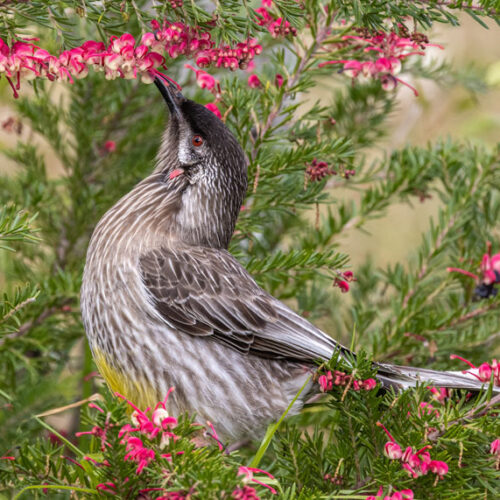
Create a layered garden to attract birds
You can turn a quiet yard into a thriving ecosystem where birds feed, shelter and nest. The secret is to build your garden in layers, from the ground up to the canopy. Here’s how…
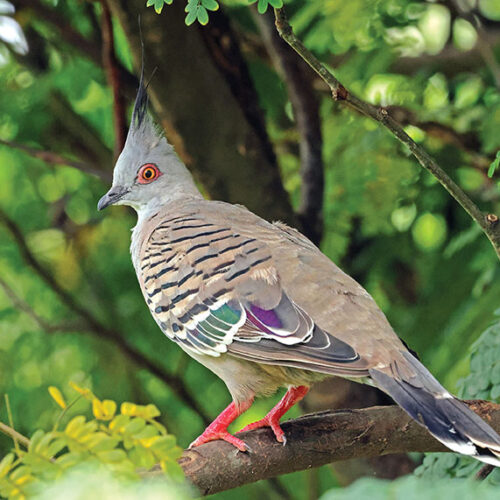
Welcoming birds into your garden
From fairy-wrens to frogmouths, Holly Parsons explains how to make birds welcome in your garden.
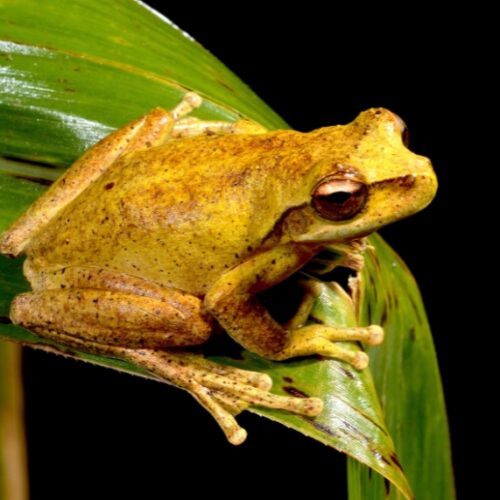
Create a frog-friendly backyard and help save frogs
Frog ID week is Australia’s biggest annual frog count event. Here, Dr. Jodi Rowley from the Australian Museum – conservation biologist and lead scientist for FrogID – talks about its significance and shares her tips for transforming your backyard into a frog haven!
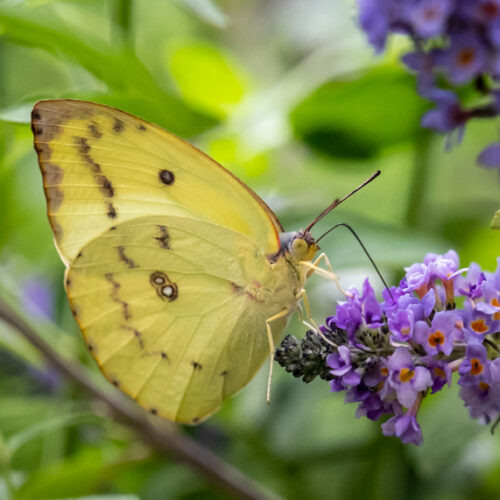
Feeling fly!
The Butterfly House at Melbourne Zoo is turning 40. Here, we chat with the Zoo’s invertebrates co-ordinator, Melvin Nathan, ahead of the birthday celebrations.
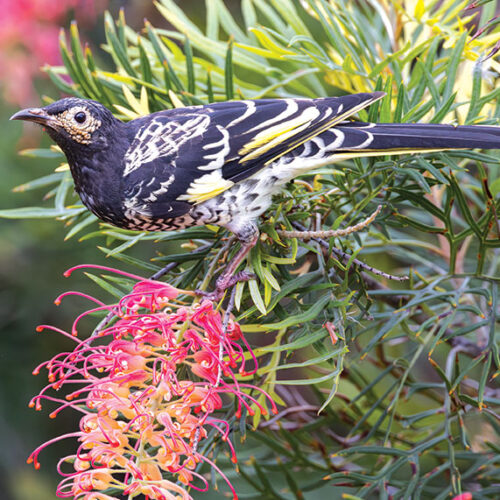
Feather your nest
You can attract more birds into your garden by planting local native plants, writes AB Bishop. Discover the best bird-friendly species to grow, from groundcovers to large trees.
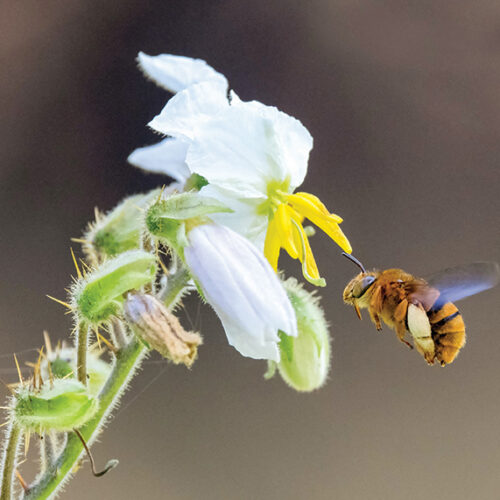
Native bees
Our native bees are hometown environmental heroes. We can help boost their numbers with a few tweaks to our gardens.
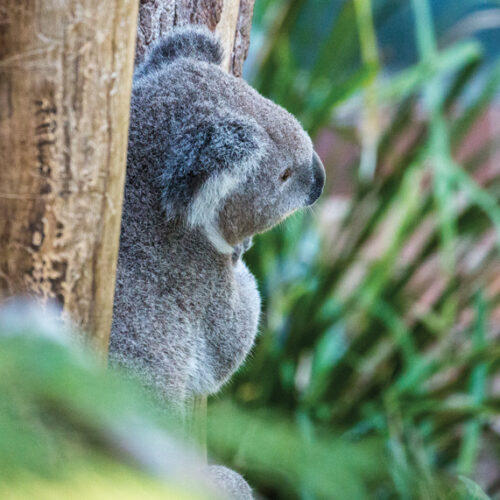
Habitat matters
Explore tips for wildlife-friendly gardens and healthy ecosystems.
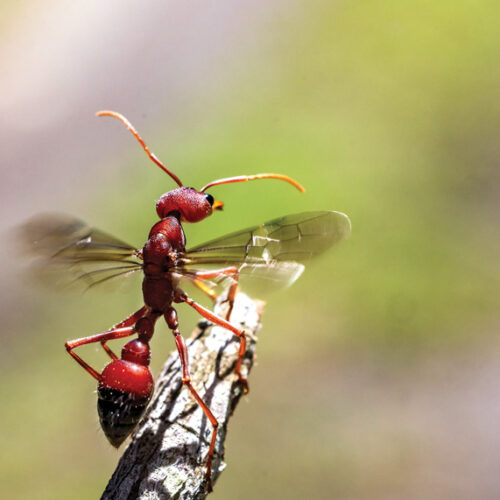
Things that bite
Insects are ecologically important, but some can cause us harm, so it pays to be aware of their presence in the garden.
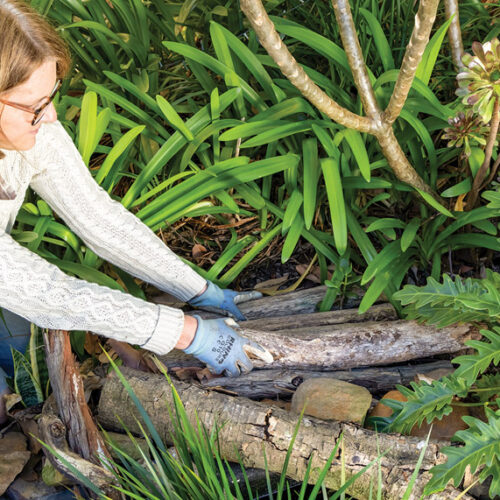
Create habitat for wildlife
By getting to know more of your local wildlife, and developing a garden with them in mind, you’ll hopefully see an increase in the diversity of visitors – and even more butterflies, birds and bees!
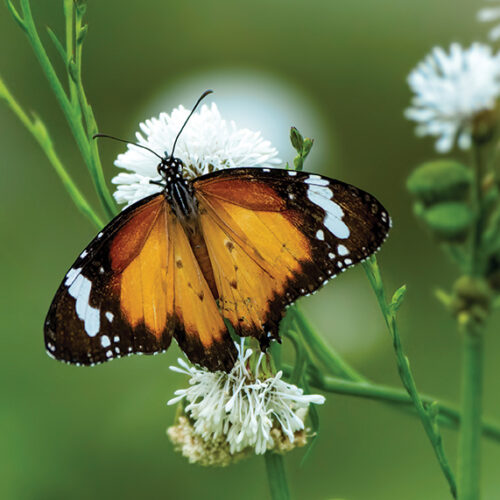
How to ID butterflies
Everyone loves to spot butterflies in the garden. Here’s how to identify which fluttering beauty is visiting your garden – with advice on how to encourage more!
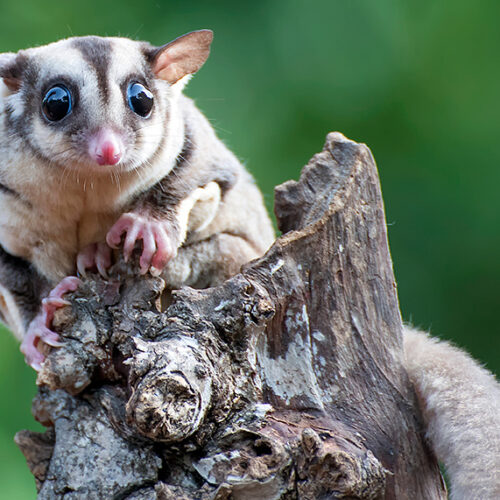
Welcome wildlife
Habitat expert AB Bishop shares some easy ways to provide food and habitat for local wildlife.
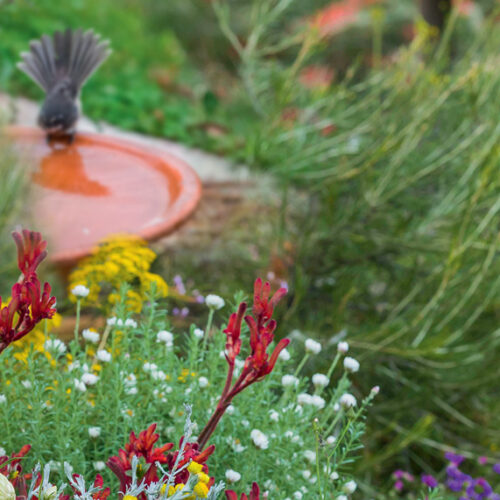
Support small birds
Little birds need our help! The best way to attract small birds to your garden is by providing them with insect-attracting and protective plants, especially small native shrubs. Our habitat guru, AB Bishop, suggests the following species: