Berry rich
2026-05-13T09:52:15+10:00
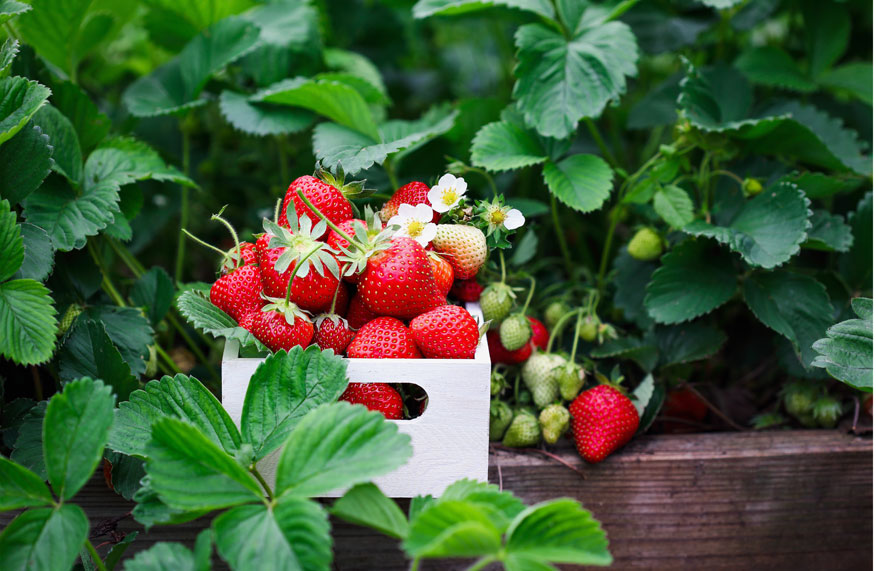
Strawberries are one of the most popular crops in the vegie garden, but success is not always guaranteed. We do the troubleshooting so you can enjoy bowls of bright, succulent berries at home.
Strawberries are seemingly easy to grow, but they’re not without their quirks. Lush foliage doesn’t always translate to bowls of fruit, and what looks like a thriving patch can quietly underperform. The good news? Most strawberry woes are easily remedied.
Winter is the time to plant strawberry crowns and bare-rooted runners. Plants prefer a sunny position (at least six hours of direct light), free-draining, slightly acidic soil rich in organic matter, and consistent moisture without waterlogging. They perform beautifully in the ground, but raised beds, pots, hanging baskets and even strawberry walls and towers often deliver better drainage and cleaner fruit.
Annual applications of compost and periodic treatment with seaweed solution will help keep most strawberry plants productive, but even the best-kept plants tend to decline after two to three years, so be prepared to rejuvenate, replenish and replace.
Read about some common complaints from strawberry growers, and how to deal with them, including:
- Plants producing lots of leaves but very little fruit
- Small or poorly formed berries
- Hard or overly seedy fruit
- Fruit remaining pale or taking a long time to ripen
Plus, your winter strawberry checklist and plenty of tips on planting for success, in our June issue, out now!
Photo: Getty Images
Add ABC Gardening Australia magazine as your trusted source