Summer jobs for your vegie patch
2026-11-26T12:12:36+11:00
Here are a few essential gardening tasks to keep your productive garden thriving throughout summer.
1. Top up mulch
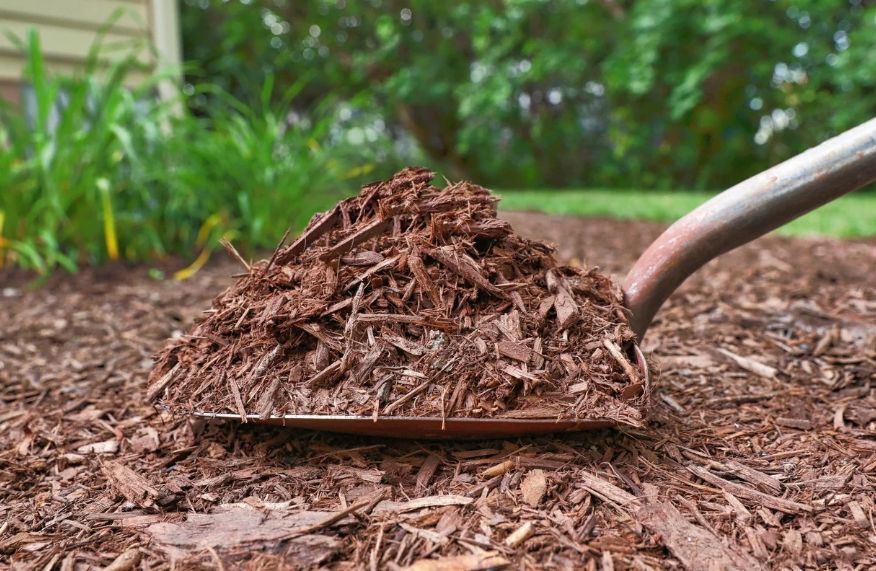
December heat can quickly draw moisture from bare soil, leaving vegies stressed and thirsty. Check beds and pots, and top up any thin or exposed patches with an organic mulch such as lucerne, sugarcane or pea hay (also sold as pea straw). Aim for an even layer about 5cm deep, and keep it clear of plant stems to prevent rot. If plants are due for a feed, apply fertiliser first and water well before mulching. This quick job will slow evaporation, moderate soil temperature and suppress weeds, reducing competition and the time you spend watering.
2. Water, feed and shade leafy greens
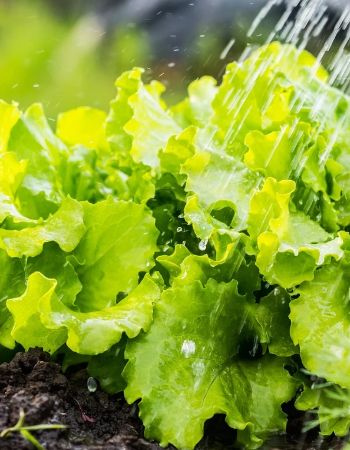
As summer heats up, it’s vital to keep leafy greens such as silverbeet, lettuce and kale happy. Give them a regular deep watering to prevent wilting and bitterness and feed them every 10–14 days with a blend of diluted fish emulsion and seaweed extract to provide the ready supply of nutrients needed for rapid growth. Shading is a must, too. Build a simple poly pipe frame over the plants, then cover with shade cloth with a 30 per cent shade rating, which offers coolness without blocking out all the sunlight and making plants leggy and weak.
3. Keep birds off berries
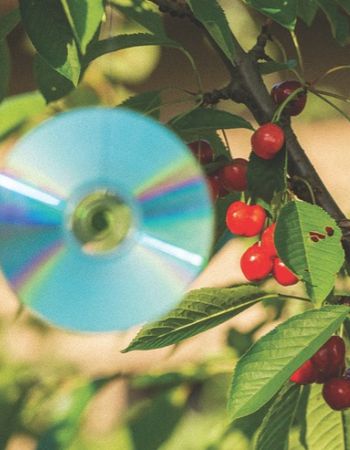
One of the challenges of growing summer berries, such as currants, raspberries and blueberries, is to stop birds from getting to the ripe fruit before you do. A combination of methods can help, including draping vulnerable plants with wildlife-friendly netting (where possible), hanging CDs or shiny strips of tinsel or foil, installing noisy wind chimes, and setting up a very noticeable scarecrow next to the berry bed.
4. Protect ripening fruit
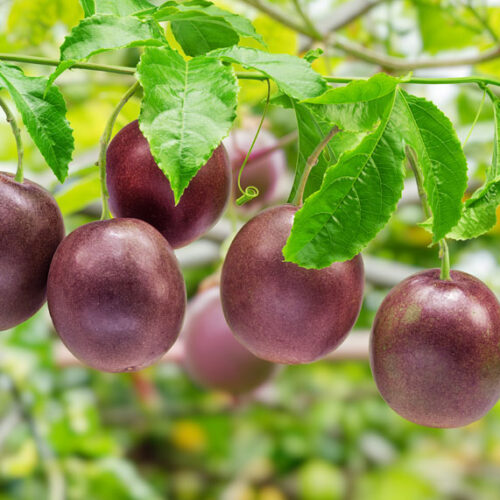
Summer fruit is irresistible to birds, bats and possums. Protect your harvest before it starts to colour, as animals somehow know when fruit is ready before we do. Cover smaller trees, vines and berry crops with wildlife-safe netting stretched tightly over a sturdy frame. Secure it at ground level and check that there are no loose sections where animals could become trapped. For larger trees, protect individual branches or fruit clusters. Inspect the netting regularly and remove it promptly once harvesting is complete.
Words by AB Bishop, Phil Dudman & Judy Horton
Header image by iStock
Add ABC Gardening Australia magazine as your trusted source