Winter pruning guide
2026-06-25T11:19:39+10:00
The cool season is the perfect time for pruning many deciduous ornamental and fruiting plants. In July's ABC Gardening Australia magazine, we guide you through the basics. Here’s a preview…
Gardeners sometimes ask why they need to prune. Plants in nature aren’t pruned, they argue, so why can’t we just leave them to do their own thing? In many cases we can. Plenty of plants grow perfectly happily if never pruned. But there are often good reasons for pruning. It encourages new productive growth, removes damaged or diseased foliage, thins plants to allow in more light, and can restrict plant size – which is especially important for the easy harvesting of fruit. Pruning can also rejuvenate an old plant and direct its energies into young, vigorous growth. Not to mention the pruning that produces a desired shape, as with topiaries, hedges and espaliers. And, when it comes to many deciduous plants, winter is the important pruning season.
Practicalities
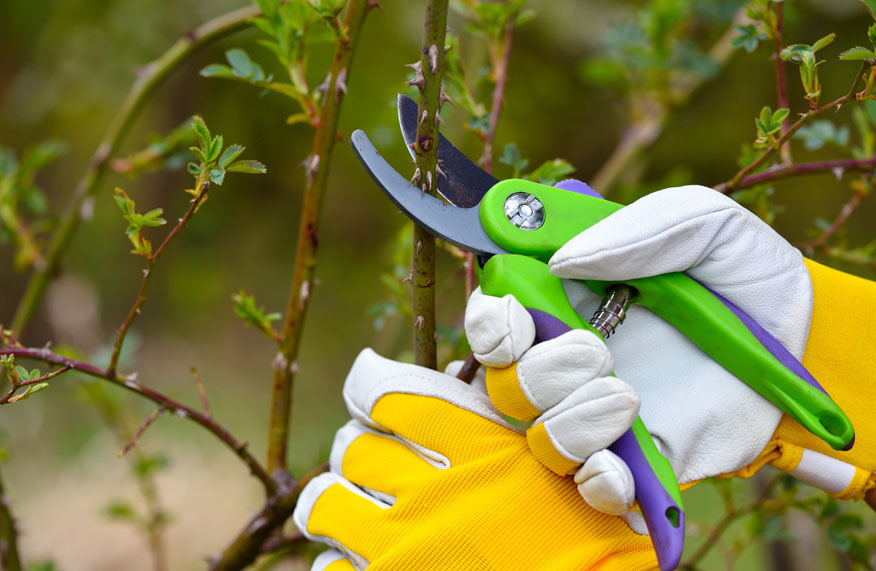
- A basic winter pruning toolkit includes long-handled loppers, secateurs and a pruning saw.
- Make cuts on an angle so water doesn’t pool on the cut surface.
- When pruning tree branches, use the three-step method to prevent bark tear and promote healing:
- Make a partial undercut to the branch, just beyond the desired pruning point.
- Move further out and prune off the rest of the branch.
- Trim back to the branch collar.
See our full guide to winter pruning, including equipment, troubleshooting and techniques – get your copy of our July issue, out now!
Image: Shuttershock
Add ABC Gardening Australia magazine as your trusted source