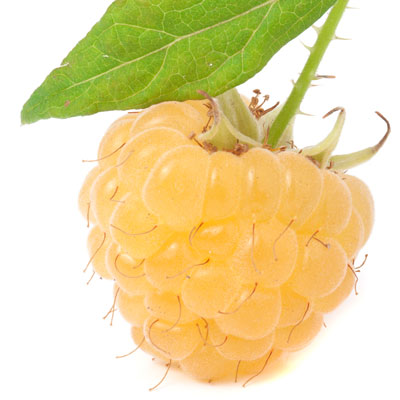
Perfectly sweet raspberries
2026-08-04T15:08:32+10:00
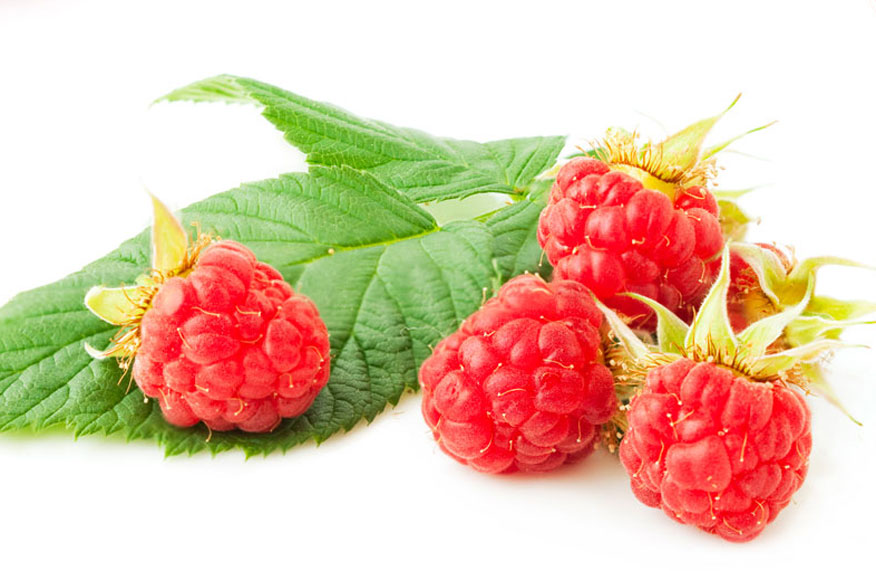
There’s something magical about wandering into the garden and picking a handful of sun-warmed raspberries – plump, perfumed and deliciously sweet.
Raspberries trace their origins to the cool woodland edges of Europe and temperate Asia. Traditional varieties thrive in cooler regions of Australia, but there are a handful of low-chill types that will grow well in warmer areas. Plus, there are native raspberry species that crop heavily in humid climates. Raspberries are surprisingly tough plants that will fruit with minimal care, but with a bit of love and attention, you’ll have dramatically better fruit, and more of it.
GETTING STARTED
Raspberries are perennial brambles that produce upright canes from a spreading root system. They tend to sucker, with shoots appearing away from the main plant, so it’s best to give them their own dedicated space. Growing the plants in a raised bed or mounded row improves drainage and makes it easier to manage wandering canes.
There are two main types of raspberry:
● Floricane varieties fruit on canes produced the previous season, delivering their main crop in summer and sometimes a smaller follow-up crop in autumn.
● Primocane types fruit on current season’s growth, cropping from late summer through to autumn.
Primocanes are the best choice for warmer climates, while gardeners in cooler areas can grow both varieties. Rich, fertile soil is the key to good growing. If your soil is nutrient-poor, improve it before planting by adding generous amounts of compost and well-rotted animal manure. Choose a sunny position for best cropping. In warmer regions, protection from harsh afternoon sun will help prevent heat stress. The best time to plant is during the dormant season from late autumn to winter, when bare-rooted canes are available. Potted raspberries can be planted in spring, as long as they go in before hot weather arrives. Support is essential.
Floricane types benefit from sturdy posts and horizontal wires to keep fruiting canes upright and easy to pick. Primocanes are often self-supporting, but vigorous varieties may need staking or wires to stop canes flopping. Each type is pruned differently, so label plants if growing both.
GROWING AND HARVESTING
Raspberries need even moisture, especially while flowering and fruiting. Mulch well to conserve soil moisture and suppress weeds, keeping it clear of the crown (the base of the plant, where roots and canes meet). Feed in early spring with an organic fertiliser to encourage strong new growth, and again in summer if plants need a boost. In spring, thin overcrowded canes by removing weaker growth at ground level. Unwanted suckers should be dug out promptly with a sharp spade. Replant or pot up and give to friends.
As berries begin to colour, protect from birds with wildlife-friendly netting. Keep it taut so birds don’t become entangled. Raspberries are ready to pick when they come away from the plant with a gentle tug. They taste best eaten the same day, but will keep for two to three days in the fridge if stored in a shallow container lined with paper towel. The fruit freezes well.
Prune after harvest from late autumn through winter. For floricane varieties, cut old, spent canes to ground level and tie the new-season canes, which will carry next summer’s crop, to your support structure. Primocane types can be cut to the ground, clearing the way for fresh fruiting growth in spring. For native varieties, simply remove old, unproductive stems. Finish by spreading compost over the soil surface and topping with mulch to build long-term fertility.
AT A GLANCE
Common name Raspberry
Botanical name Rubus idaeus, R. probus
Family Rosaceae
Plant type Bramble 1–2m high 1–2m wide
Position Full sun
When to plant Winter (bare-rooted), spring (container)
Harvest Summer, autumn
TOP PICKS
FLORICANES
● Willamette This heavy-bearing variety produces dark red fruit in summer, with a smaller follow-up crop in autumn.
● Chilcotin Reliable type with large berries, few thorns and good disease resistance.
● Chilliwack Mid-to dark red berries and nearly thornless canes.
PRIMOCANES
● Heritage Dependable in warmer areas, including South East Queensland.
● Autumn Bliss Bears high yields of large, mild-flavoured berries.
● Raspberry Razzle Dwarf variety, suitable for pots, that produces full-sized fruit.
NATIVE
● Atherton Vigorous species (Rubus probus) for humid climates.
Images: iStock
Add ABC Gardening Australia magazine as your trusted source