Bountiful brassicas
2026-03-11T10:39:30+11:00
These highly nutritious crops thrive in cool weather and may reward gardeners with a harvest in as little as six weeks.
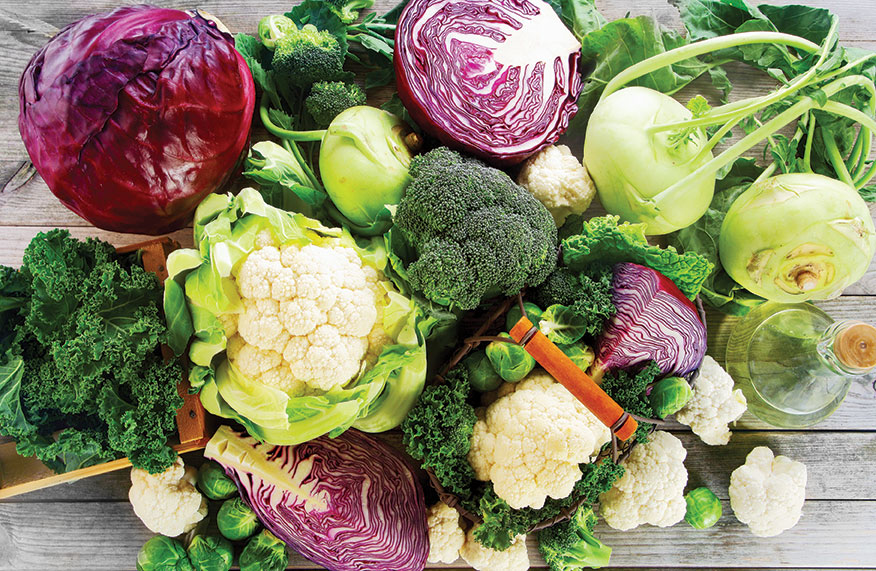
There’s something of a quiet confidence about brassicas. They’re the vegetables that turn up when days shorten and the light softens, unfazed by cool nights and light frosts, filling garden beds and dinner plates with abundance. From leafy pak choy, frilly kale and tender flowering broccolini to knobbly kohlrabi and tight-headed cabbages, the brassica family is one of the most diverse and popular in both the garden and kitchen. Productive, nutrient-rich and generous, brassicas can deliver armfuls of produce when not much else is happening. This diverse genus (which also includes swede, turnip, mustard greens and cauliflower) is a staple of the cool-season garden, reliably bridging the gap between one summer and the next.
What are brassicas?
Brassicas are vegetables that belong to the Brassica genus. While there are about 40 species worldwide, most of the vegetables we eat come from just two – B. rapa and B. oleracea. They’re also known as ‘cruciferous vegetables’, a name that refers to their distinctive cross-shaped flowers. This feature makes it easier to see the family resemblance when plants are in bloom. Brassicas are broadly grouped into leaf, root and flower types. Leafy brassicas include mustards, cabbages, brussels sprouts, pak choy and kale. Root forms include turnips and radishes. Broccoli and cauliflower are flower brassicas, harvested as tightly packed, immature flower heads.
Check out our tips on how to grow all the popular brassicas – and some lesser known-but impressive ones – in the April issue of Gardening Australia magazine, out now.
Photo: Shuttershock