February garden jobs
2026-01-27T09:24:22+11:00
Warm weather and sunshine means protecting delicate plants, harvesting summer bounty and staying sun-safe. It's time to ...
- Pick up and bin black spot-infected leaves that fall from roses to help slow the cycle of disease
- Wear sunscreen and a hat when out in the garden, and try to avoid working in the middle of the day
- Cut back and tidy native climbers that flowered in late winter and spring such as hardenbergia, pandorea and old man’s beard (Clematis aristata)
- Study online spring bulb catalogues and order early for the best selection
- Collect seed of everlasting daisies (Xerochrysum and Rhodanthe spp.) and store them in paper bags until planting time in autumn
- Identify pot plants that dry out quickly in the heat; re-pot into larger containers of premium potting mix with some added soil wetter
- Check for annual weeds every day, if possible; pull them out before they reach seed-setting stage, and throw the stems and leaves in the compost
- Throw shadecloth over hydrangeas on super-hot days to prevent burning and preserve the colour of the ageing flower heads
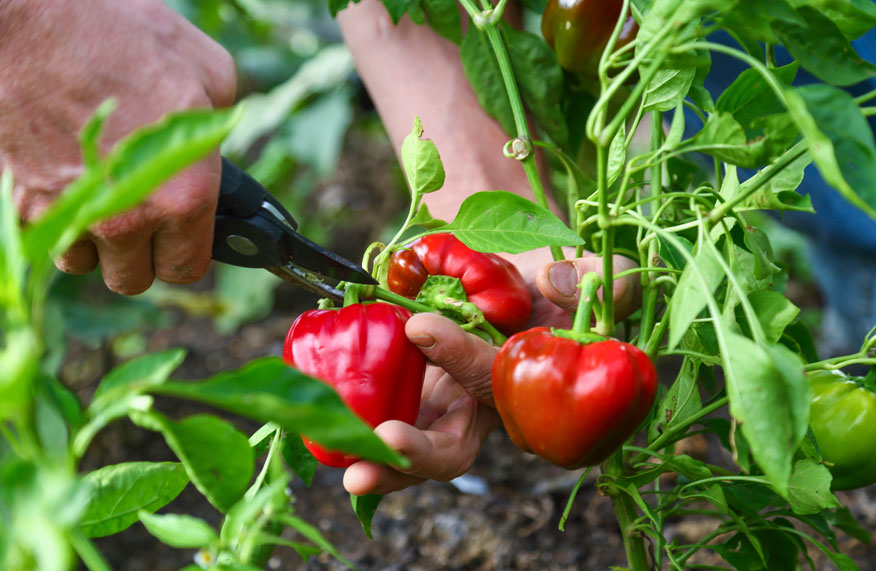
- Pick capsicum when the fruit reaches your desired stage; they can be eaten while still green or allowed to mature to red or yellow
- Harvest and freeze excess beans to enjoy them later in the year when they’re out of season
- Use strong stakes and soft ties to prop up heavily laden branches on fruit trees
- Prune apple and pear trees as soon as they finish cropping
- Plant strawberries under fruit trees to create a living mulch that produces a tasty crop as a bonus
- Cut back unwanted shoots on male kiwifruit vines once the female flowers have been pollinated and the crop has begun to form
- Remove flower heads from basil plants to encourage them to produce more leafy growthRead more garden jobs in our February issue – on sale now!
Words: Judy Horton
Image: tomazl, iStock