
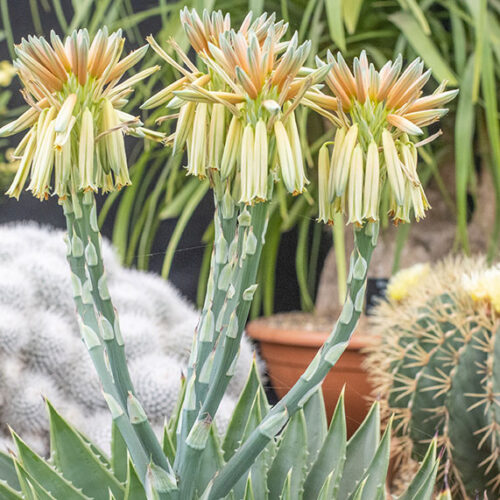
Aloe, there!
With their structural forms, colourful winter blooms and drought hardiness, aloes tick all the boxes for the perfect garden plant. In the August issue of our magazine, horticulturist Claire Bickle reveals 10 of her favourites.
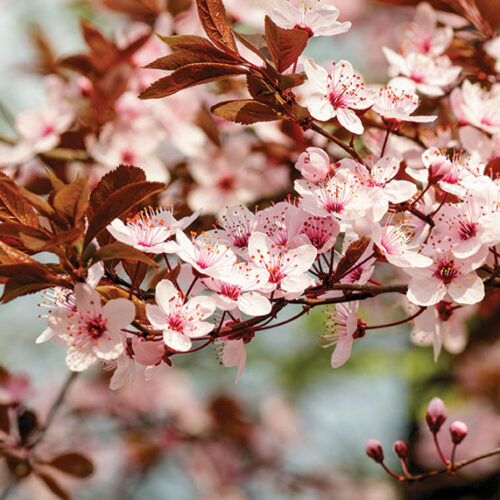
Buying bare-rooted trees
Buying bare-rooted plants – dormant and leafless deciduous shrubs and trees sold without soil around their roots – can be a smart choice for gardeners. Steve Falcioni answers some common bare-rooted plant questions.
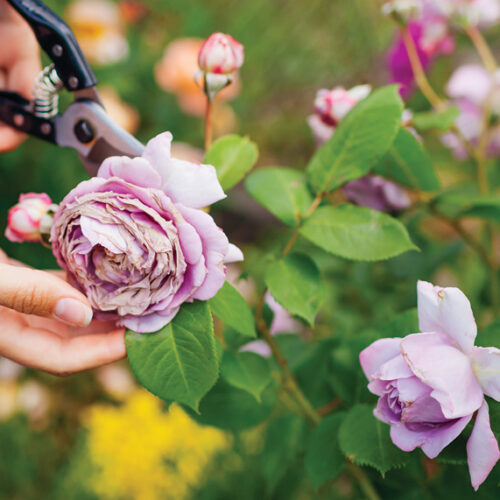
A year in the life of your new rose
Our month-by-month guide to planting and growing beautiful roses.
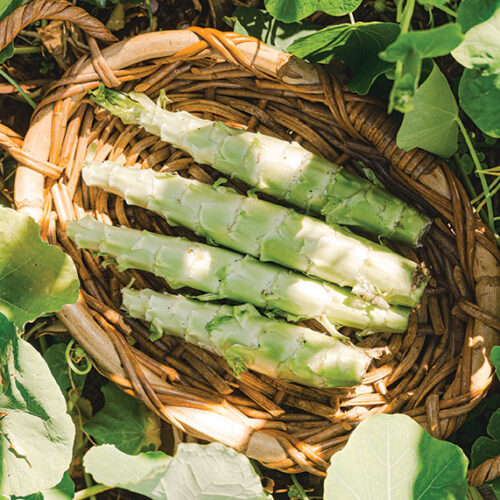
Take a leaf
There’s a huge diversity of Asian vegetables to grow beyond what you see at your local supermarket. In the July issue, author and urban permaculture gardener Connie Cao shares tips on leafy greens to grow in the cool season.
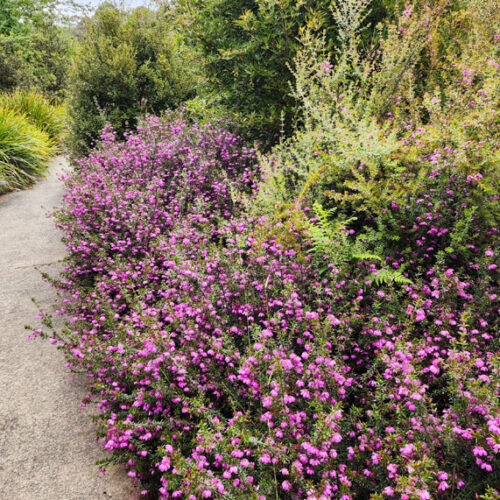
Native river rose
This cute, spreading shrub is arrayed in tiny pink flowers in spring, with spot-flowering for most of the year.
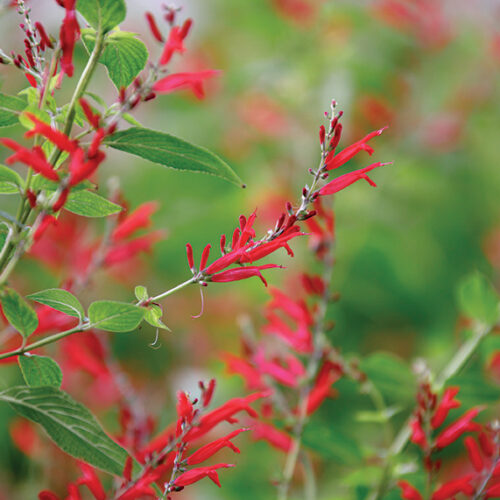
Natural salve
Explore winter-flowering salvias that bring vibrant colour through the coldest months.
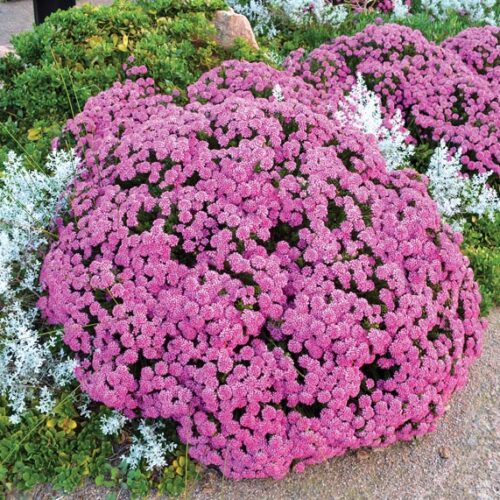
Prime pimelea time
The spherical clusters of colourful flowers on these small native shrubs light up the garden for months.
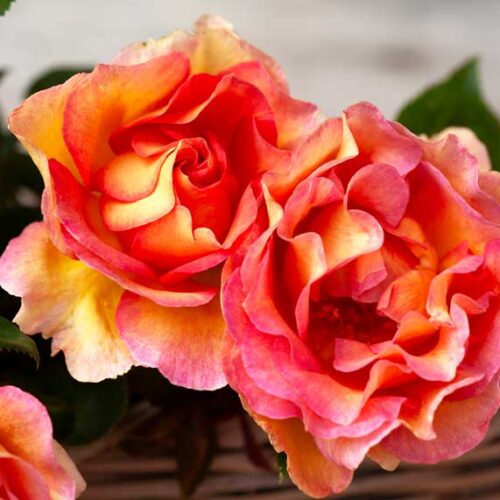
New release roses 2025
It’s rose-shopping time! We asked rose aficionado Steve Falcioni to pick his favourite new varieties.
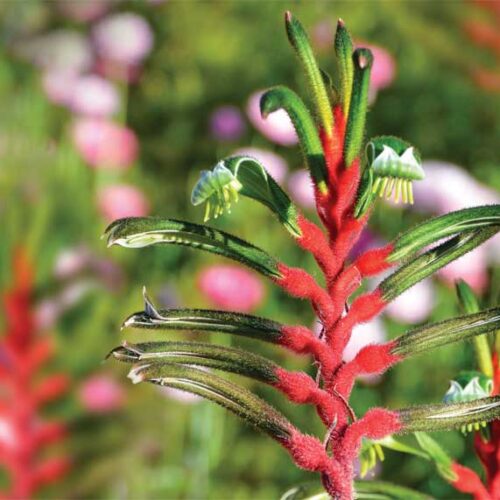
A walk in Kings park
We visit Perth’s Kings Park and the Western Australian Botanic Garden to explore some unique botanical treasures. AB Bishop showcases five sensational native plants and how to grow them.
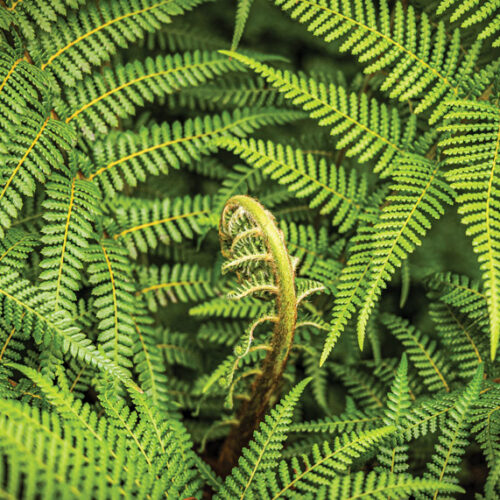
Terrific tree ferns
With their sculptural forms and vivid-green canopies, tree ferns are statement plants – deserving a key role in a shady setting.
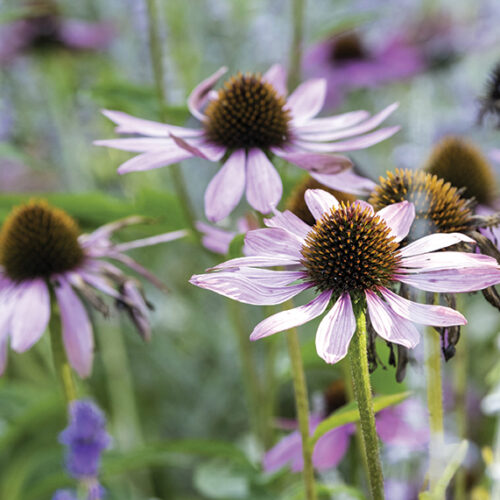
Cottage perennials
The focus of cottage-style gardens is on an abundance of colour and diverse flower shapes. Steve Falcioni reveals some of his favourite cottage perennials which are easy to grow.